
3 Different Types of Single-Ply Membrane Applications in Commercial Roofing

Walk across any flat commercial roof in Texas, and you’re likely standing on a single-ply roofing membrane—even if you can’t see it beneath protective coatings or ballast. These thin but remarkably durable synthetic sheets have revolutionized commercial roofing over the past four decades, offering superior performance, energy efficiency, and longevity compared to traditional built-up roofing systems.
But not all single-ply roofing membranes are created equal. The three dominant membrane types—TPO, PVC, and EPDM—each offer distinct advantages, face different challenges, and suit specific applications better than their counterparts. Choosing the wrong membrane for your building can mean premature failure, excessive energy costs, or compatibility issues with existing building systems.
As a commercial roofing contractor with over 35 years of experience installing single-ply membrane roofing systems throughout Texas and beyond, we’ve seen how proper membrane selection dramatically impacts long-term roof performance. This comprehensive guide explains everything property owners, facility managers, and developers need to know about single-ply roofing membranes to make informed decisions protecting their commercial properties.
Understanding Single-Ply Roofing Membranes
Single-ply roofing membranes are prefabricated synthetic sheets installed in large sections across commercial roof surfaces. Unlike multi-layer built-up roofing that requires multiple applications of hot asphalt and reinforcement layers, single-ply membranes arrive at job sites ready to install, dramatically reducing installation time and labor costs.
The term “single-ply” refers to the membrane being applied in one layer (though insulation and cover boards typically exist underneath). These roofing membranes range from 45 mils to 90 mils thick (roughly 1/16″ to 3/32″)—remarkably thin considering they protect buildings worth millions of dollars.
Why Single-Ply Membranes Dominate Commercial Roofing
Single-ply membrane roofing systems have captured over 40% of the commercial roofing market for compelling reasons:
Installation Efficiency: Prefabricated membranes install faster than traditional roofing systems, reducing labor costs and project timelines. What once took weeks can now be completed in days.
Energy Performance: White and reflective single-ply roofing membranes can reflect up to 85% of solar radiation, dramatically reducing cooling costs in hot climates like Texas. Some systems qualify for energy efficiency tax credits and utility rebates.
Proven Durability: Modern single-ply membranes demonstrate excellent resistance to UV radiation, ozone, weathering, and thermal cycling. Properly installed and maintained systems regularly exceed 25-year service lives.
Lightweight Construction: Single-ply roofing membranes weigh significantly less than traditional built-up roofing or concrete tile, making them ideal for structures with limited load capacity.
Maintenance Accessibility: Smooth membrane surfaces simplify inspections and cleaning. Repairs typically involve straightforward patching rather than extensive hot work.
Warranty Options: Manufacturers offer comprehensive warranties ranging from 10 to 30 years, providing financial protection and peace of mind for building owners.
The 3 Major Single-Ply Roofing Membrane Types
The commercial roofing industry primarily uses three single-ply membrane technologies:
Thermoplastic Polyolefin (TPO) currently dominates the commercial roofing market with approximately 50% market share. This white reflective membrane offers excellent energy efficiency and cost-effectiveness.
Polyvinyl Chloride (PVC) represents the original thermoplastic single-ply roofing membrane with a proven track record exceeding 50 years. PVC membrane roofing excels in challenging environments requiring superior chemical resistance.
Ethylene Propylene Diene Monomer (EPDM) rubber roofing has protected commercial buildings for over 60 years. This black or white synthetic rubber membrane provides reliable waterproofing at competitive pricing.
Understanding the characteristics, advantages, and limitations of each membrane type enables informed roofing system selection matching your specific building requirements, environmental conditions, and budget constraints.
TPO Roofing Membranes: The Market Leader
Thermoplastic Polyolefin (TPO) membrane roofing has experienced explosive growth since commercial introduction in the 1990s. TPO now represents the most popular single-ply roofing system in North America, particularly for new commercial construction

TPO Membrane Composition and Characteristics
TPO roofing membranes combine polypropylene and ethylene-propylene rubber polymers with reinforcing materials (typically polyester or fiberglass scrim) and various additives for UV resistance, flexibility, and fire resistance. The resulting membrane offers an appealing balance of performance and cost.
Standard TPO Membrane Specifications:
– Available thicknesses: 45 mil, 60 mil, 80 mil, and 90 mil
– Standard colors: White (most common), tan, gray
– Width: Typically 10 feet or 12 feet wide
– Reflectivity: 0.85+ solar reflectance for white membranes
– Service life: 20-30 years with proper installation and maintenance
TPO Installation Methods
TPO roofing systems offer flexible installation options accommodating various building conditions and wind uplift requirements:
Membrane sheets attach to the roof deck through plates and fasteners concealed beneath overlapping seams. This method suits most applications, installs quickly, and allows moisture vapor transmission from roof assemblies.
Bonding adhesive secures the entire membrane to substrate (insulation or cover board), providing maximum wind uplift resistance. Fully adhered TPO installation works well for high-wind zones and buildings requiring superior performance.
Loose-laid membrane weighted with river rock or pavers offers economical installation but requires adequate structural capacity. Ballasted systems work well for protected membrane applications.
Specialized attachment using electromagnetic induction provides superior wind performance without penetrating the membrane. This premium method suits demanding applications despite higher costs.
All TPO installation methods utilize hot-air welding to create seams. Welding equipment heats overlapping membrane edges until melted, then rollers fuse them together creating watertight bonds stronger than the membrane itself.
Advantages of TPO Roofing Membranes
Energy Efficiency: White TPO membranes reflect solar radiation exceptionally well, reducing roof surface temperatures by 50°F or more compared to dark roofing. This reflectivity translates to measurable cooling cost savings, particularly beneficial for Texas commercial buildings facing intense summer heat.
Heat-Welded Seams: Unlike adhesive-bonded seams that can degrade over time, heat-welded TPO seams create permanent molecular bonds. Properly executed welds demonstrate superior strength and longevity.
Cost-Effectiveness: TPO generally costs less than PVC while delivering comparable performance in most applications. This value proposition drives TPO’s market dominance in commercial roofing.
Chemical Resistance: Modern TPO formulations resist damage from animal fats, petroleum-based products, and bacterial growth—important for restaurants, industrial facilities, and properties with rooftop equipment requiring regular maintenance.
Proven Track Record: While TPO experienced early formulation challenges in the 1990s, modern TPO from reputable manufacturers demonstrates reliable long-term performance backed by extensive field testing and decades of installed roofs.
TPO Limitations and Considerations
Formulation Variability: Different TPO manufacturers use proprietary formulations. Not all TPO roofing membranes perform identically—quality varies between manufacturers. Selecting established manufacturers with proven track records matters tremendously.
Puncture Resistance: TPO demonstrates less puncture resistance than PVC or EPDM of equivalent thickness. Extra care during installation and maintenance helps prevent mechanical damage.
Chemical Sensitivity: While improved compared to early TPO formulations, certain harsh chemicals and solvents can affect TPO membranes. Applications involving significant chemical exposure may benefit from PVC alternatives.
Seam Quality Criticality: TPO performance depends heavily on proper seam welding. Inadequate training, poor technique, or adverse weather during installation creates weak seams leading to premature failure. Factory-certified installers using proper equipment ensure reliable seams.
Ideal TPO Applications
TPO roofing membranes excel for office buildings and corporate facilities benefiting from energy efficiency, retail centers requiring reliable protection at competitive costs, schools and universities with tight construction budgets, warehouses and distribution facilities with large roof areas, medical offices and clinics, and hospitality properties including hotels and restaurants.
TPO works particularly well for Texas commercial roofing applications where cooling cost reduction matters and moderate chemical exposure occurs.
PVC Roofing Membranes: Premium Performance
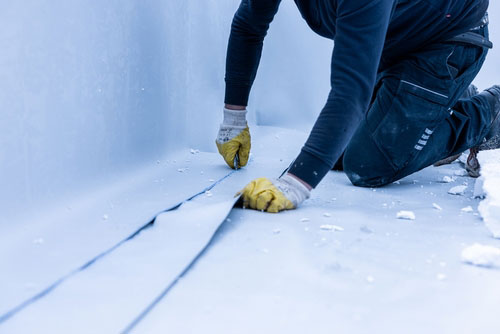
Polyvinyl Chloride (PVC) represents the original thermoplastic single-ply roofing membrane with over 50 years protecting commercial buildings. While TPO has captured market share through lower pricing, PVC remains the premium choice for demanding applications requiring maximum performance.
PVC Membrane Composition and Properties
PVC roofing membranes combine polyvinyl chloride polymers with plasticizers for flexibility, stabilizers preventing degradation, and reinforcement materials (polyester or fiberglass). The resulting membrane offers exceptional durability and chemical resistance..
Standard PVC Membrane Specifications:
– Available thicknesses: 45 mil, 50 mil, 60 mil, 80 mil
– Standard colors: White, gray, tan (white most common)
– Width: Typically 10 feet or 12 feet wide
– Reflectivity: 0.83-0.87 solar reflectance for white membranes
– Service life: 25-35+ years with proper maintenance
– Fire resistance: Inherently flame retardant
PVC Installation Techniques
PVC roofing systems use similar installation methods as TPO including mechanically attached, fully adhered, and ballasted configurations. Like TPO, PVC seams utilize hot-air welding technology creating permanent molecular bonds. However, PVC offers additional installation advantages:
Beyond hot-air welding, PVC allows solvent welding using specialized chemicals. This capability proves valuable for detail work, repairs, and field modifications where hot-air welding equipment proves cumbersome.
PVC tolerates broader temperature ranges during installation compared to TPO. This flexibility enables installation during cooler weather without performance concerns.
PVC membrane repairs often involve straightforward patching using solvent welding—simpler than heat welding required for TPO repairs.
Advantages of PVC Roofing Membranes
Superior Chemical Resistance: PVC demonstrates exceptional resistance to oils, greases, chemicals, and other potentially damaging substances. Restaurants with grease exhaust, industrial facilities with chemical exposure, and buildings with extensive rooftop mechanical equipment benefit from PVC’s resistance properties.
Fire Resistance: PVC membranes offer inherent fire resistance without additional flame retardant treatments. This self-extinguishing characteristic provides superior protection, particularly valuable for buildings with stringent fire safety requirements.
Long-Term Performance History: With over 50 years of installed performance data, PVC roofing offers the longest track record among single-ply membranes. Many original PVC roofs from the 1970s remain serviceable today.
Plasticizer Technology: Modern PVC formulations use advanced plasticizers that resist extraction and migration, addressing concerns about early PVC roofs that became brittle as plasticizers leached out over time.
Proven in Extreme Conditions: PVC performs reliably across diverse climates from arctic conditions to tropical environments. This versatility makes PVC suitable for projects in challenging locations.
Excellent Puncture Resistance: PVC demonstrates superior resistance to foot traffic damage, hail impact, and mechanical punctures compared to TPO of equivalent thickness.
PVC Limitations and Considerations
Higher Cost: PVC roofing membranes typically cost 15-25% more than comparable TPO systems. For budget-conscious projects where chemical exposure isn’t significant, TPO may offer better value.
Plasticizer Concerns: While modern PVC uses improved plasticizers, potential plasticizer migration over decades remains a consideration. Exposure to certain materials (notably polystyrene insulation in direct contact) can accelerate plasticizer extraction.
Limited Color Options: PVC availability in colors beyond white and light gray remains limited compared to TPO or EPDM options.
Installation Expertise Required: Like TPO, PVC performance depends on proper seam welding. Certified installers with PVC-specific training ensure optimal results.
Ideal PVC Applications
PVC roofing membranes provide optimal solutions for restaurants and food service facilities with grease exhaust, healthcare facilities requiring stringent fire safety standards, chemical processing plants and industrial facilities, buildings with extensive rooftop HVAC equipment, historic renovations requiring premium longevity, and coastal properties facing saltwater exposure.
PVC excels in demanding environments where superior chemical resistance, fire safety, and proven long-term performance justify premium pricing.
EPDM Roofing Membranes: The Proven Workhorse
Ethylene Propylene Diene Monomer (EPDM) rubber roofing represents the longest-established single-ply membrane technology with over 60 years protecting commercial buildings. While thermoplastic membranes (TPO and PVC) have captured significant market share, EPDM remains popular for specific applications where its unique characteristics provide advantages.

EPDM Membrane Composition and Features
EPDM roofing membranes consist of synthetic rubber (ethylene and propylene derived from oil and natural gas) with carbon black for UV protection and various compounding agents for processing and performance. Reinforced EPDM includes polyester or fiberglass backing for enhanced strength and dimensional stability.
Standard EPDM Membrane Specifications:
– Available thicknesses: 45 mil, 60 mil, 75 mil, 90 mil
– Standard colors: Black (most common), white, tan
– Width: 7.5 feet to 50 feet wide (wider sheets reduce seams)
– Service life: 25-30+ years
– Temperature tolerance: -40°F to +300°F
EPDM Installation Methods
EPDM roofing systems offer multiple installation approaches:
Bonding adhesive (water-based or solvent-based) secures membrane to substrate. Fully adhered systems provide maximum wind uplift resistance and work well in high-wind zones.
Fastening plates and screws anchor membrane to deck through overlapping seams, similar to TPO and PVC installation. This method allows vapor transmission and suits many commercial applications.
Loose-laid membrane weighted with stone or pavers offers economical installation but requires adequate structural capacity and limits access for maintenance.
Unlike thermoplastic membranes using heat welding, EPDM seams utilize tape or liquid adhesive bonding. Seam tape (typically butyl-based or specialized EPDM adhesive) creates watertight joints when properly applied with appropriate pressure and surface preparation.
Advantages of EPDM Roofing Membranes
Proven Longevity: EPDM boasts the longest performance history among single-ply membranes with many roofs exceeding 30-40 years of service. This extensive track record demonstrates reliable protection across diverse climates and applications.
Temperature Tolerance: EPDM remains flexible across extreme temperature ranges from arctic cold to desert heat. This flexibility prevents brittleness in winter and excessive softening in summer.
Hail Resistance: EPDM’s rubber composition provides excellent impact resistance. Hail that would puncture thermoplastic membranes often bounces off EPDM, making it ideal for hail-prone regions.
Cost Competitiveness: EPDM typically costs less than PVC and comparably to or slightly less than TPO, offering reliable protection at competitive pricing.
Installation Simplicity: EPDM’s forgiving nature allows installation across broader temperature ranges and less stringent weather requirements compared to thermoplastic membranes requiring precise welding conditions.
Repair Ease: EPDM repairs involve straightforward patching using compatible materials and adhesives. Property maintenance staff can often handle minor repairs without specialized equipment.
EPDM Limitations and Considerations
Seam Reliability Concerns: Adhesive-bonded seams represent EPDM’s most vulnerable component. Improper surface preparation, inadequate adhesive application, or insufficient pressure during bonding creates weak seams prone to failure. Seam quality depends heavily on installer skill and attention to detail.
Energy Performance: Black EPDM absorbs solar radiation, increasing roof surface temperatures and building cooling loads. While white EPDM exists, it costs more and represents a smaller market segment than white TPO or PVC.
Puncture Vulnerability: Despite excellent hail resistance, EPDM proves more susceptible to punctures from sharp objects, equipment traffic, and construction activities than equivalent-thickness PVC.
Shrinkage Potential: EPDM can experience slight dimensional changes over time, potentially stressing seams and terminations. Proper installation techniques and adequate stress relief details mitigate shrinkage concerns.
Chemical Sensitivity: EPDM demonstrates poor resistance to petroleum products, animal fats, and certain chemicals. Applications involving significant chemical exposure benefit from PVC or TPO alternatives.
Ideal EPDM Applications
EPDM roofing membranes work particularly well for warehouse and storage facilities prioritizing cost-effectiveness, cold storage buildings requiring temperature cycling performance, industrial facilities without significant chemical exposure, schools and government buildings with tight budgets, small commercial properties with simple roof geometries, and historic renovations where proven long-term performance matters.
EPDM excels where reliable protection, budget constraints, and minimal chemical exposure converge.
Comparing Single-Ply Roofing Membranes: TPO vs PVC vs EPDM
Understanding how TPO, PVC, and EPDM compare across critical performance factors enables informed membrane selection matching your specific requirements.
Cost Comparison
Initial Installation Costs (material + labor per square foot):
– EPDM: $4.50 – $7.50 per sq ft
– TPO: $5.00 – $8.00 per sq ft
– PVC: $6.00 – $10.00 per sq ft
These ranges reflect typical projects; costs vary based on thickness, installation method, project size, and regional labor rates.
Long-Term Cost Considerations: Energy savings from reflective white membranes offset higher material costs over roof service life. Maintenance costs vary by membrane type and installation quality. Warranty length and coverage affect total cost of ownership.
Energy Efficiency
Solar Reflectance (white membranes):
– TPO: 0.85-0.87 (excellent)
– PVC: 0.83-0.87 (excellent)
– EPDM (white): 0.69-0.77 (good)
– EPDM (black): 0.05-0.10 (poor)
These ranges reflect typical projects; costs vary based on thickness, installation method, project size, and regional labor rates.
For Texas commercial buildings where cooling costs dominate energy expenses, white TPO or PVC membranes deliver substantial savings compared to black EPDM.
Durability and Lifespan
Expected Service Life:
– EPDM: 25-35+ years (longest track record)
– PVC: 25-35+ years (proven longevity)
– TPO: 20-30 years (modern formulations improving)
These ranges reflect typical projects; costs vary based on thickness, installation method, project size, and regional labor rates.
Actual lifespan depends heavily on installation quality, maintenance practices, climate exposure, and roof traffic.
Chemical and Environmental Resistance
Chemical Resistance:
– PVC: Excellent (superior to others)
– TPO: Good (improved formulations)
– EPDM: Fair to poor (vulnerable to oils/chemicals)
UV/Ozone Resistance:
All three membranes: Excellent with proper formulation
Puncture Resistance:
– PVC: Excellent
– EPDM: Very good
– TPO: Good
Seaming Technology
TPO and PVC: Heat-welded seams create molecular bonds stronger than base membrane. Proper welding requires skilled installers and appropriate weather conditions.
EPDM: Adhesive or tape-bonded seams depend on surface preparation and application technique. Seams represent EPDM’s most vulnerable component.
Maintenance Requirements
All Membranes Require:
– Regular inspections (bi-annual minimum)
– Debris removal preventing drain clogs
– Immediate repair of punctures or damage
– Periodic cleaning for reflective performance
Specific Considerations:
– TPO/PVC: Seam inspections, especially after severe weather
– EPDM: Seam monitoring and re-sealing as needed
Making Informed Single-Ply Membrane Decisions
Selecting between TPO, PVC, and EPDM single-ply roofing membranes requires evaluating multiple factors including climate, building use, budget, roof configuration, and long-term performance expectations. No single membrane type suits all applications—each offers distinct advantages making it optimal for specific situations.
Choose TPO when: Energy efficiency, cost-effectiveness, and proven modern performance matter most. TPO suits the majority of commercial roofing applications in Texas and similar climates.
Choose PVC when: Maximum chemical resistance, fire safety, and premium long-term performance justify higher costs. PVC excels in demanding environments with challenging exposures.
Choose EPDM when: Budget constraints, proven longevity, and simple roof geometries converge. EPDM provides reliable protection at competitive pricing, though energy efficiency suffers with black membranes.
Beyond membrane selection, installation quality determines long-term roof performance. Factory-certified installers using proper techniques and materials ensure single-ply roofing systems deliver their full performance potential. Regular maintenance and prompt repairs maximize membrane service life and protect your commercial property investment.
Expert Single-Ply Membrane Roofing from Brazos Urethane
For over 35 years, Brazos Urethane has installed TPO, PVC, and EPDM single-ply roofing membranes on commercial properties throughout Texas and across the United States. Our factory-certified installation crews, comprehensive quality control procedures, and partnerships with premium membrane manufacturers ensure your commercial roof delivers optimal performance and longevity.
We help building owners evaluate single-ply membrane options considering climate, building requirements, budget constraints, and long-term performance goals. Our detailed proposals explain membrane selection rationale, installation methods, quality control procedures, and warranty coverage enabling informed decisions protecting your property investment.
Need expert guidance on single-ply membrane roofing? Contact Brazos Urethane at (409) 965-0011. We provide thorough roof assessments, membrane recommendations, and competitive proposals for commercial roofing projects of any size.
Installing premium single-ply roofing membranes since 1987.